Book summary
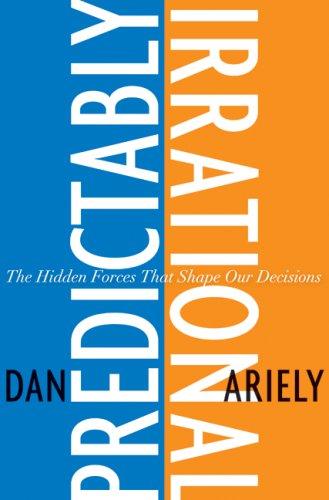
Predictably Irrational
Summary
Dan Ariely argues that human decision-making is irrational in consistent, repeatable ways. We rarely judge value in absolute terms; instead, we compare whatever options happen to be nearby. This makes us vulnerable to anchors, decoy choices, and carefully framed comparisons that can change what feels reasonable without changing the thing itself.
The first price or expectation we encounter often becomes an anchor for later decisions. Even an arbitrary starting point can shape what we are willing to pay in the future. “Free” is especially powerful because it feels riskless, causing people to choose a worse free option over a better paid one or to take something they do not need.
Ariely also distinguishes social norms from market norms. People may gladly help as a favor, but introducing a small payment can turn generosity into a transaction and reduce motivation. Once a relationship is framed as a market exchange, it is difficult to switch back without changing how both sides interpret it.
Ownership, expectations, and immediate gratification create further distortions. We overvalue things simply because they belong to us, experience what we expect to experience, and postpone valuable long-term actions for small immediate rewards. The practical lesson is not that rationality is impossible, but that better systems can account for predictable bias: question anchors, compare alternatives broadly, introduce deadlines, and examine the context shaping a choice before trusting intuition.