Book summary
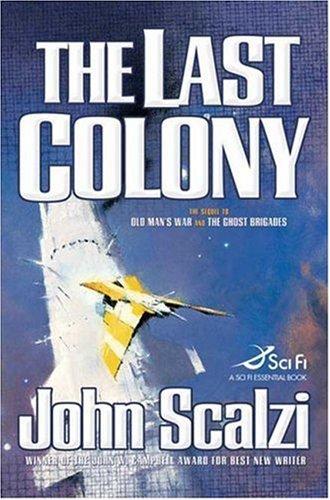
The Last Colony
Summary
The Trap of Roanoke
In the third installment of the Old Mans War universe, The Last Colony, John Scalzi shifts the focus from the battlefield to the complex arena of interstellar politics and colonialism. John Perry, the protagonist from the first novel, has retired from the Colonial Defence Forces (CDF) and is living a peaceful life on the planet Huckleberry with his wife, Jane Sagan. Their quiet existence as village ombudsman and constable is interrupted when the CDF recruits them to lead a new colony called Roanoke. Unlike previous settlements founded by people from Earth, Roanoke will be populated by volunteers from ten established human colonies. This seemingly mundane assignment soon reveals itself to be a dangerous political gambit that places the Perry family and thousands of colonists at the center of a conflict between humanity and a vast alien alliance.
The Deceptive Journey
Accepting the offer to lead Roanoke, John, Jane, and their adopted daughter Zoë accompanied by her Obin protectors, Hickory and Dickory board a colony ship expecting to settle a promised world. However, shortly after arrival, a Gamarnan Special Forces soldier reveals the truth. They are not at the designated coordinates. Furthermore, their ship has been irreparably sabotaged by the CDF, stranding them on an unknown planet. The colonists are quarantined and forbidden from using wireless technology to avoid detection by the Conclave, a coalition of over 400 alien species dedicated to stopping unauthorized human expansion.
The Colonial Union has used Roanoke as bait. The Conclave, aware of the original destination, intended to destroy the colony. By moving the colonists and hiding them with low-tech equipment, the Union aims to draw the Conclave fleet into a trap. The colony includes a group of Mennonites, whose familiarity with pre-industrial machinery proves essential for survival without advanced tech. As they struggle to establish the settlement, the colonists also face biological threats from werewolf-like predators and the realization that Jane has been secretly upgraded with Special Forces capabilities without her consent.
Clash of Philosophies
As the colony struggles to survive, John Perry seeks to understand the enemy. Through footage of a Conclave attack on a Whaidian colony, John sees General Tarsem Gau offer the settlement a chance to leave peacefully before destroying them. This challenges the narrative that the aliens are purely bloodthirsty. Later, when the Conclave fleet arrives above Roanoke, General Gau communicates directly with John. He explains that the Conclaves goal is not genocide but multiracial regulation of colonization to prevent endless resource wars that stall galactic progress. Gau argues that war creates an artificial equilibrium of fear, whereas cooperation could allow civilizations to thrive and explore.
John refuses to surrender, but he also attempts to de-escalate by asking Gau to surrender, a move calculated to confuse the Conclave forces. moments later, the Union springs its trap. Special Forces soldiers, having tracked every ship in the Conclave fleet over the previous year, detonate antimatter bombs attached to the vessels. The fleet is annihilated instantly. However, contrary to the Colonial Unions plans, the Conclave does not disintegrate. Instead, it fractures into factions, some of which vow revenge against humanity. The ambush, while tactically successful, fails to achieve the strategic goal of destabilizing the enemy alliance permanently.
The Sacrificial Pawn
Following the attack, John is summoned to Phoenix Station to face an inquiry for his conduct. He learns the darker truth behind the mission. The Colonial Union intended for Roanoke to be martyred. By allowing a colony to be destroyed in a retaliatory strike, the Union aimed to galvanize the human colonies, spike enlistment in the CDF, and justify a total war of attrition. General Szilard reveals that he saved John from punishment but that Roanoke remains a pawn. If the colony falls, it serves theUnion’s propaganda needs.
Szilard, however, admits that this path leads to humanitys eventual extinction through perpetual war. He covertly aids John, warning him of an impending assassination attempt on General Gau by a rogue faction. Recognizing that the survival of Roanoke depends on disrupting the status quo, John formulates a plan to break the Colonial Unions information stranglehold. He advises the colonists to declare independence, a move that constitutes treason against the Union. Leveraging the loyalty of the Obin, who worship Zoë due to her fathers role in granting them consciousness, John gains the protection needed to defy the CDF.
A New Future for Humanity
To prevent the assassination and consolidate a more stable peace, John sends Zoë as an emissary to General Gau. Her intervention saves Gaus life and solidifies his leadership. In return, Gau grants John and his family a ship and safe passage. Realizing they can no longer stay on Roanoke, the family makes a bold decision to travel to Earth. Earth has been kept isolated and ignorant by the Colonial Union to maintain a steady stream of recruits and colonists. By traveling to the forbidden planet and revealing the truth about the galactic conflict, the Union’s deceptive practices, and the existence of the Conclave, John aims to empower humanity to choose its own future.
The revelation throws the Colonial Union into disarray, with enlistment plummeting and colonial support wavering. The novel concludes with the implication that bringing Earth into the broader galactic community through truth rather than manipulation offers a path toward diplomacy and cooperation. Scalzi uses The Last Colony to critique imperialism and information control, proposing that the kill-or-be-killed mindset of the Colonial Union is self-defeating. Through the actions of John and Jane, the story suggests that ethical leadership and transparency are not just moral choices but strategic necessities for long-term survival.