Book summary
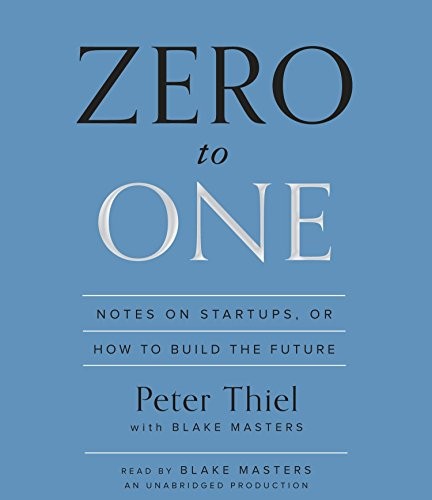
Zero to One
How to build companies that create truly new value instead of copies.
Summary
In Zero to One, Peter Thiel argues that true innovation comes from creating something entirely new-going from 0 to 1-rather than copying what already exists-going from 1 to n. He posits that the next Bill Gates will not build an operating system, and the next Mark Zuckerberg will not create a social network. Success requires adapting to the present environment to build a different future, a task best suited for startups defined as the largest group of people you can convince of a plan to do so.
Thiel challenges the lessons learned from the dot-com crash, which he believes have distorted modern business thinking. While the crash taught entrepreneurs to make incremental advances, stay lean, improve on competition, and focus solely on product, Thiel advocates for the opposite: risk boldness, create a plan, target monopoly, and prioritize sales. He emphasizes that competitive markets destroy profits and that rivalry often leads companies to copy the past rather than invent the future.
Instead of seeking “first mover advantage,” Thiel argues for “last mover advantage.” The goal is to make the last great development in a specific market and enjoy years of monopoly profits. To build a monopoly, a company must leverage proprietary technology, network effects, economies of scale, and strong branding. Thiel advises founders to start by dominating a small niche market before expanding to adjacent ones. Finally, he highlights the importance of “secrets”-truths that are unknown but knowable-and the power law in venture capital, where a single investment can outperform the rest of the fund combined.